
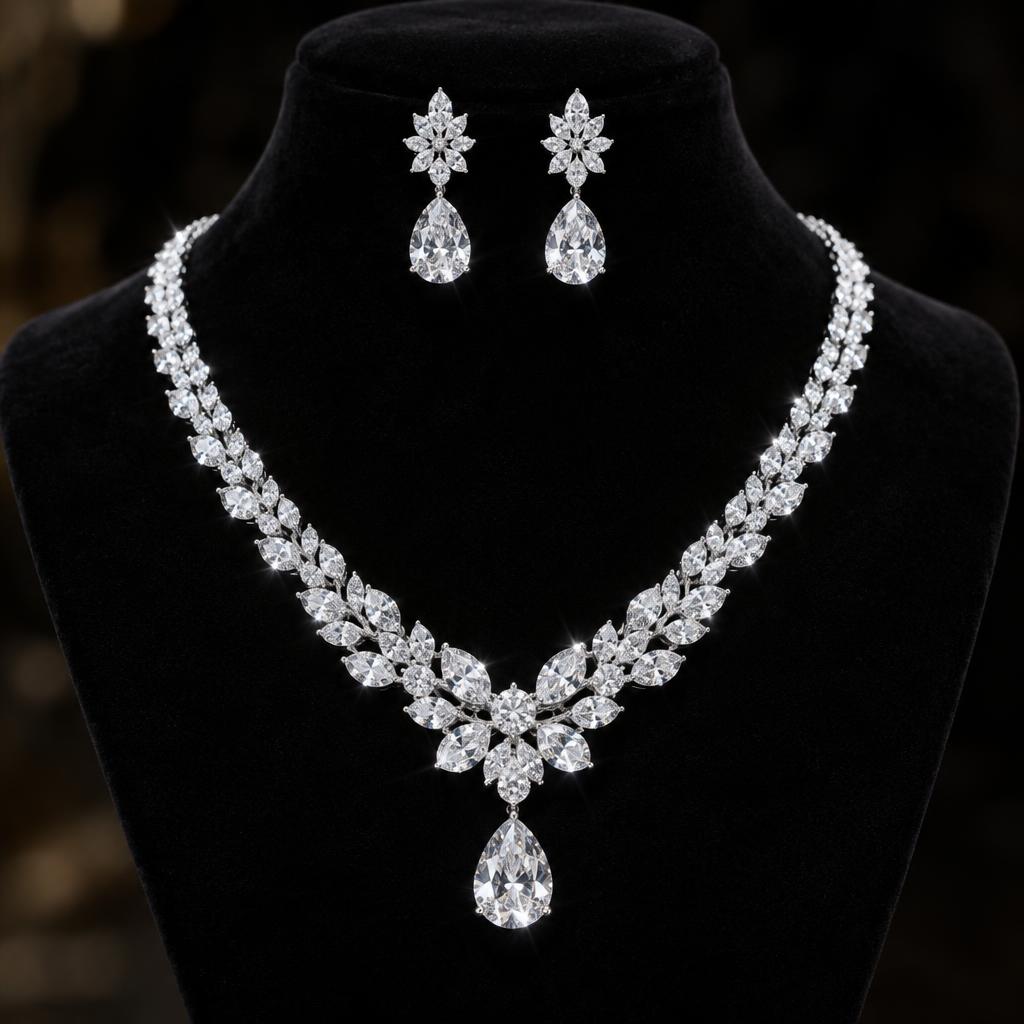
Diamond Jewellery
Certified Diamonds That Hold Their Value
Solitaires, studs, bracelets and necklaces with IGI or GIA certificates and lifetime exchange.
The 4Cs, explained simply
We walk you through cut, colour, clarity and carat with the stone under a loupe, so you know exactly what you are buying.
Solitaire specialists
Choose a loose certified solitaire and the setting separately, or pick from ready designs in 18K gold and platinum.
Buyback guarantee
Every certified diamond comes with a written exchange and buyback policy.
Buying guide
Where to spend, and where to stop paying
Two stones at the same price can look completely different. These four decisions are why.
Cut first, always
Cut is the only C that is purely workmanship — it describes how well the facets are proportioned and polished, and therefore how much light the stone throws back. An Excellent-cut stone will out-sparkle a larger stone with a Fair cut at the same money. This is the one grade never worth trading away.
Colour: stop where your eye stops
Diamonds are graded D (completely colourless) through to Z. The difference between D and G is invisible unless the two sit side by side under lab lighting. In yellow or rose gold, G–J faces up white and costs materially less than the top of the scale.
Clarity: 'eye-clean' is the real test
FL and IF are flawless grades priced accordingly. VS1 to SI1 stones are usually eye-clean at normal viewing distance, with inclusions visible only at 10x. Ask where the inclusions sit on the plot — one hidden under a prong matters far less than one in the centre of the table.
Carat: shop just below the round numbers
Price steps up sharply at 0.50 ct, 0.90 ct and 1.00 ct, because those are the figures people ask for. A 0.95 ct stone is visually almost indistinguishable from a 1.00 ct one of the same cut and sits in a different price band. One carat equals 0.20 grams.
Read the certificate, not the price tag. An IGI or GIA report lists measurements, cut grade, colour, clarity, fluorescence and a plotted inclusion map — and on most certified stones the report number is laser-inscribed on the girdle, so you can match paper to stone under a loupe.
Collection
From our showroom
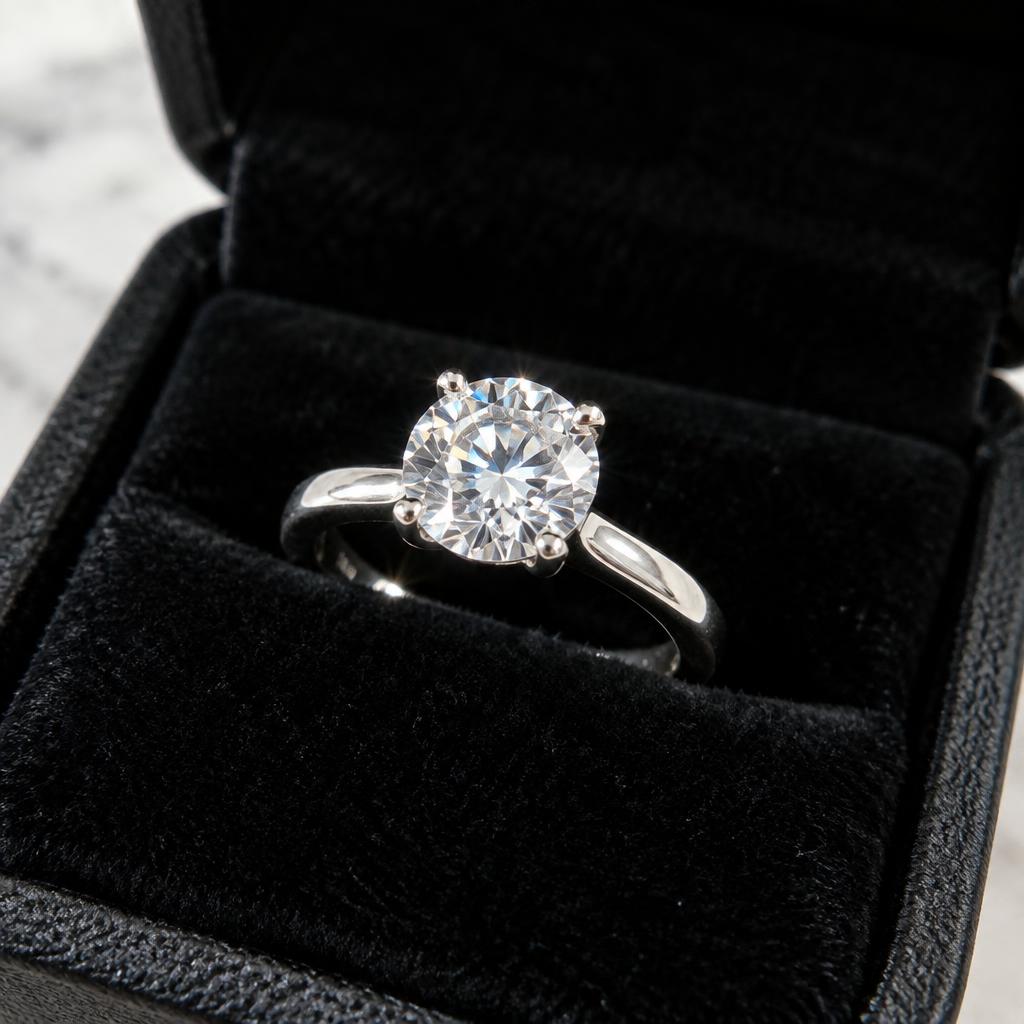
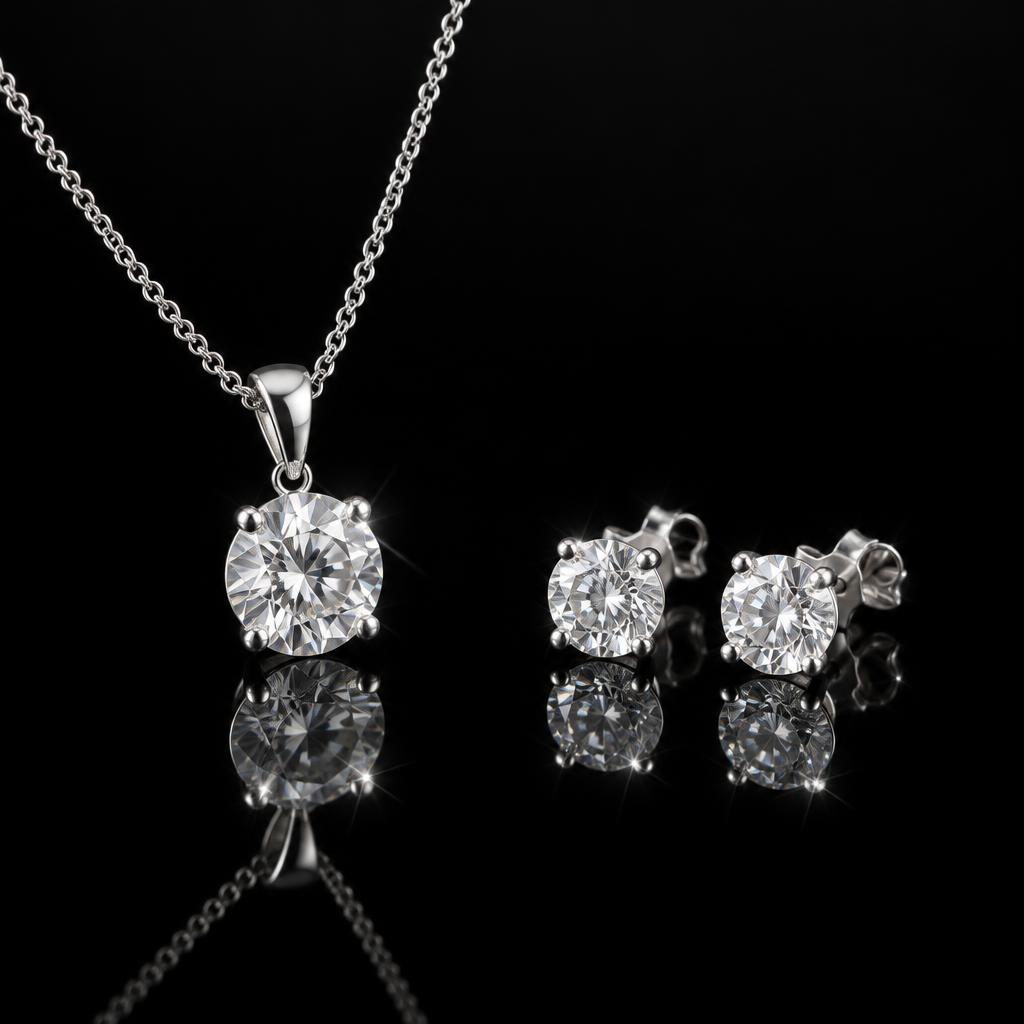
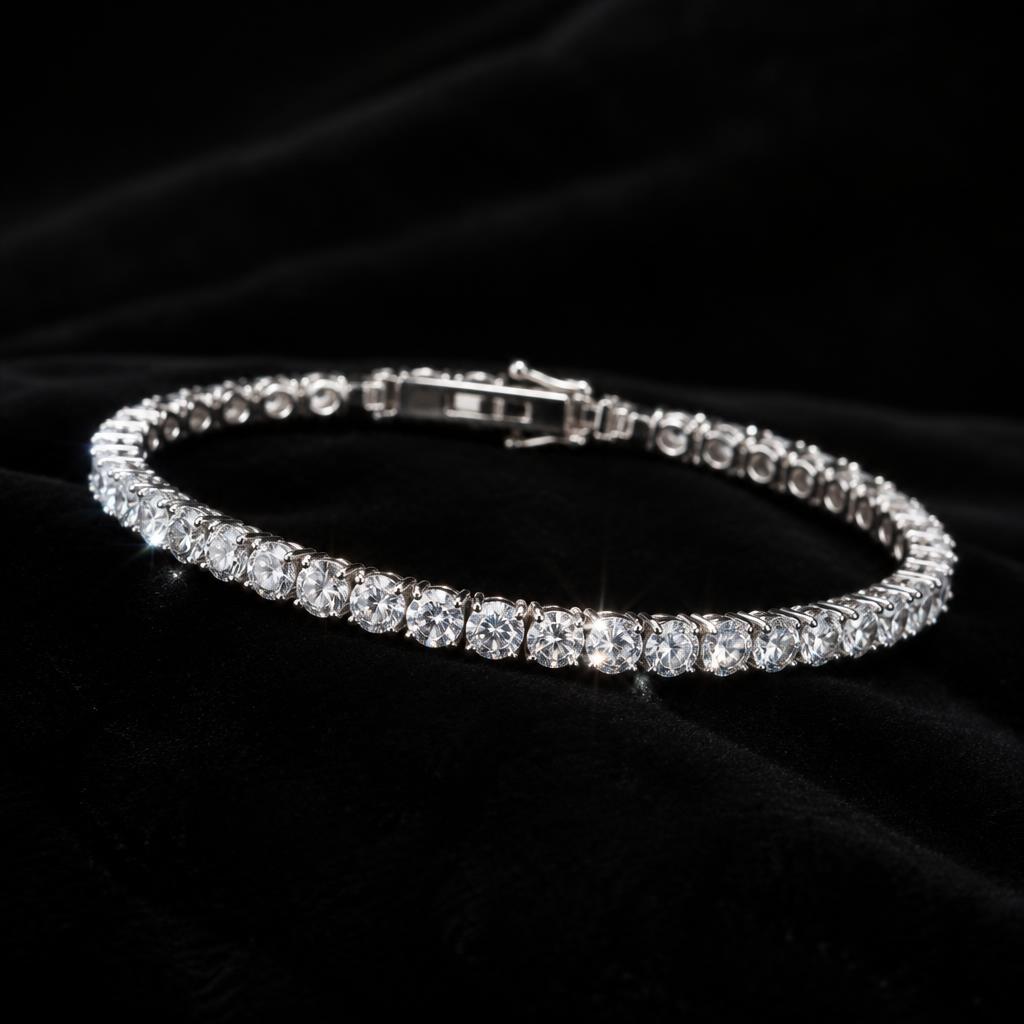
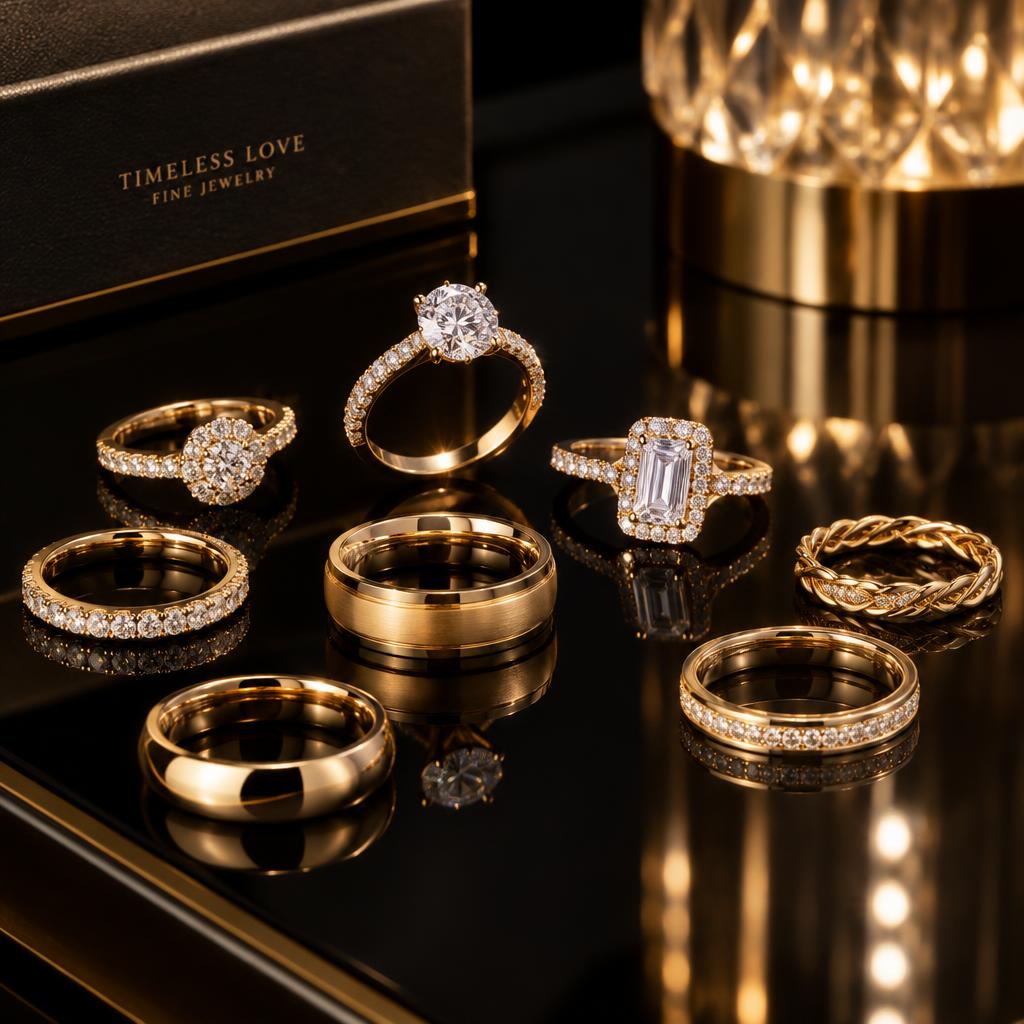
The 4Cs
What the grading scales actually mean
| The C | Scale used | Where most buyers get best value | Why |
|---|---|---|---|
| Cut | Excellent · Very Good · Good · Fair · Poor | Excellent or Very Good | The only grade based on craftsmanship. It decides brilliance, fire and how large the stone looks for its weight. |
| Colour | D to Z (D is colourless) | G to J | Faces up white to the naked eye, especially once set in yellow or rose gold. |
| Clarity | FL · IF · VVS1–2 · VS1–2 · SI1–2 · I1–3 | VS2 to SI1 | Typically eye-clean at arm's length; inclusions appear only under 10x magnification. |
| Carat | Weight in carats (1 ct = 0.20 g) | Just below a round figure | Avoids the demand-driven price jumps at 0.50 ct, 0.90 ct and 1.00 ct. |
Laboratory-grown diamonds are the same material as mined diamonds — same hardness, same optical behaviour — graded on the same four scales, and every report states clearly that the stone is laboratory-grown. They are priced differently. We label which is which in writing on the invoice, every time.
Care
Looking after a certified stone
Clean it weekly
Warm water, a drop of mild dish soap and a soft toothbrush worked behind the stone, where skin oil and soap film collect and kill the sparkle. Rinse and pat dry on a lint-free cloth. No bleach, no chlorine, no abrasive powders.
Take it off for rough work
A diamond is the hardest natural material but it can still chip on a sharp knock — and the gold or platinum holding it is soft. Remove rings for the gym, gardening, kneading dough and anything involving weights.
Have the prongs checked twice a year
Bring the piece in and we will look at the claws under magnification and re-tighten them. Nearly every lost stone was loose for weeks beforehand and nobody noticed.
Store pieces separately
A diamond will scratch gold, pearls, emeralds and every softer gemstone in a shared box. Keep each piece in its own soft pouch or a lined compartment.
Ultrasonic cleaners are fine for plain diamond-and-metal pieces but can loosen glued settings and damage emeralds, pearls and enamel. If a piece mixes materials, hand-clean it or bring it to us.
Questions
Frequently asked
Are your diamonds certified?
Our solitaires come with IGI or GIA certificates; smaller diamond jewellery comes with our own quality certificate.
Do you buy back diamonds?
Yes, under our written exchange and buyback policy.
What is the difference between an IGI and a GIA certificate?
Both are independent grading laboratories reporting the same 4Cs. GIA is the longest-established benchmark for mined diamonds; IGI grades a large share of the laboratory-grown market. Either way, read the grades on the report rather than the name on the cover.
Are lab-grown diamonds real diamonds?
Yes. They are the same material with the same hardness and optical properties, grown rather than mined, and every report says so explicitly. They are priced differently from mined stones, and we state which is which in writing on the invoice.
Which of the 4Cs should I prioritise?
Cut, because it is the only one determined by workmanship and it decides how much the stone sparkles. After that, pick an eye-clean clarity (usually VS2–SI1) and a colour that faces up white in your chosen metal (usually G–J).
Go deeper
Diamond guides and related collections
Read next
Browse on
Near you
Diamond Jewellery across Mumbai
Get today's best price for your gold
Send a photo on WhatsApp for a free indicative quote, or walk in for a free purity test. No obligation.
48/D-5, Aareshwar Society, Four Bunglow, Mahada, Opposite Nitro Fitness, Andheri West, Mumbai – 400053